Fertile days
Fertile days represent the period in a woman's menstrual cycle when the probability of conception is the highest. During the cycle, the ovary releases an egg cell that is ready for fertilization and this process is called ovulation. In order to determine when the fertile days are, we need to take a closer look at the female menstrual cycle.
The menstrual cycle is the period between two menstrual bleedings. The menstrual cycle lasts 28 days on average, but that period is different and can last somewhere between 24 and 35 days. The cycle can be divided into two parts - before ovulation and after ovulation. The first day of menstruation is counted as the first day of the cycle.
The length of the period before ovulation and therefore the length of the cycle varies greatly. However, the period after ovulation is almost always the same length: some women last 12, some 16, but the average is 14 days. Taking into account that the released egg cell lives from 12 to 24 hours and that spermatozoa can survive inside a woman for up to 5 days (on average 3) - the most fertile period is about 5 days before ovulation and 1 to 2 days after ovulation i.e. since ovulation takes place about 14 days before menstruation - the most fertile period is from the nineteenth day before the next menstruation until the tenth day before menstruation.
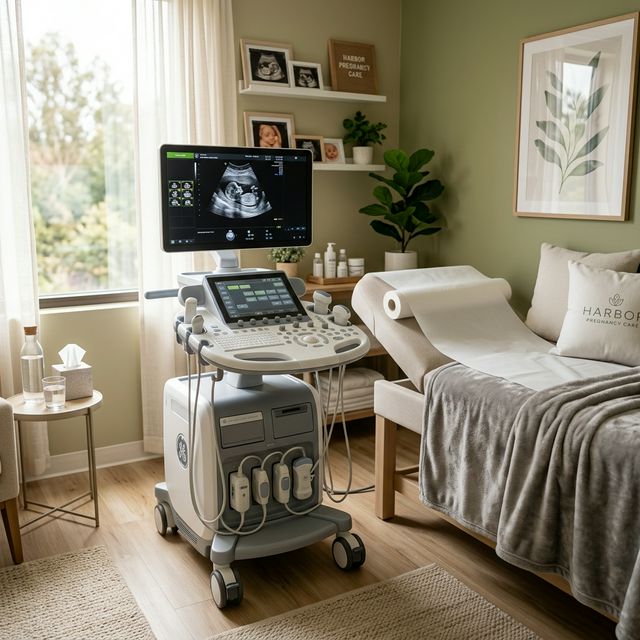
If you want to determine with certainty whether ovulation occurs and when, you need to do folliculometry. It is a series of ultrasound examinations in different phases of the cycle, which can be used to determine whether and how many follicles are growing, whether and when ovulation has occurred in order to focus more precisely on achieving pregnancy.
Couples who follow the menstrual cycle and avoid fertile days as the only form of contraception often mistakenly think that the period lasts exactly 28 days and that ovulation occurs exactly 14 days after the start of menstruation. Such an attitude often leads to unwanted pregnancy.
Finally, it should be noted that not all bleeding is menstrual bleeding, that the period does not last exactly 28 days for most women and that it is very difficult to determine exactly when ovulation will occur. Due to all of the above, if you do not want to get pregnant, we recommend that you use another form of contraception. href="https://www.instagram.com/p/5osyh7iMCG/" class="ig-b- ig-b-24" target="_blank" rel="noopener noreferrer">
Comprehensive approach
Confidential evaluations, advanced screening, and tailored treatment plans designed specifically for your well-being.
Specialist-led care
Your healthcare is overseen by continuously verified, highly experienced clinicians guiding you step by step.
Fast, clear insights
Receive clear results promptly along with customized next steps and straightforward guidance on your health.